

When it comes to maintaining the structural integrity of your property in Hollywood, a thorough roof inspection is paramount. SKYPRO Roofing understands the significance of a reliable and secure roof, which is why we specialize in providing professional roofing services. Our skilled and dedicated team offers a comprehensive range of solutions, including meticulous inspections, proactive maintenance, precise repairs, and expert replacements. Our focus on quality craftsmanship and customer satisfaction ensures that we protect your property and provide peace of mind. Trust SKYPRO Roofing for top-tier services tailored to meet your specific roofing requirements.
Resolve Commercial Roof Leak Issues Today! Contact Us for Swift Repairs.
Roof inspections are crucial for identifying potential issues that may not be apparent to the untrained eye. Professional roof inspectors have the expertise to spot early signs of damage, such as cracks, leaks, or deterioration. By catching these issues early on, property owners can prevent minor problems from turning into major costly repairs.
Need Residential Roofing Repairs? Let’s Fix It! Get in Touch Now.
A thorough roof inspection allows for a comprehensive evaluation of the overall condition of the roof. Inspectors assess the integrity of the roofing materials, the structural stability of the roof deck, and the functionality of various components like flashing and vents. This evaluation provides property owners with a clear understanding of any existing or potential problems.
Another important reason for roof inspections is to determine the lifespan of the roof. A professional inspector can assess the condition of the roofing materials, taking into account factors such as age, wear and tear, and exposure to the elements. By understanding the remaining lifespan of the roof, property owners can plan for future repairs or replacements and avoid unexpected expenses.
Roofs are exposed to severe weather conditions, such as heavy rain, strong winds, and hailstorms. After a severe weather event, it is essential to schedule a roof inspection to check for any storm damage. Even if there are no visible signs of damage, underlying issues may exist. Professional roof inspectors are trained to identify storm-related damage and advise property owners on the necessary repairs or replacements.
Ultimately, roof inspections are conducted to assess the need for repairs or replacements. By identifying potential issues, evaluating the overall condition, and checking for storm damage, inspectors can make informed recommendations. Whether it is a minor repair or a complete roof replacement, addressing the identified issues promptly can prevent further damage and save property owners money in the long run.
Severe weather events, such as hurricanes, tornadoes, or severe thunderstorms, can cause significant damage to roofs. It is crucial to schedule a roof inspection after such events to assess the extent of the damage and determine the necessary repairs or replacements. Even if there are no visible signs of damage, underlying issues may exist that can compromise the integrity of the roof.
For both buyers and sellers, scheduling a roof inspection is essential as part of the property transaction process. Buyers want to ensure that they are aware of any existing roof issues before making a purchase, while sellers can benefit from addressing any potential issues to make their property more appealing to buyers. A professional roof inspection provides an unbiased assessment of the roof’s condition, giving both parties peace of mind.
Regular roof inspections should be included as part of routine maintenance for any property. By scheduling inspections on a regular basis, property owners can catch small problems before they escalate into larger, more costly issues. Routine maintenance inspections also help to extend the lifespan of the roof and ensure its optimal performance.
If you are planning to embark on a roofing project, whether it is installing solar panels, adding an extension, or conducting any other construction work, it is crucial to schedule a roof inspection beforehand. The inspection will identify any existing issues that need to be addressed before the project begins, ensuring that the new construction work integrates seamlessly with the existing roof.
If you notice any signs of damage, such as roof leaks, water stains on ceilings, or missing shingles, it is essential to schedule a roof inspection immediately. These signs indicate underlying issues that may require repairs or even a complete roof replacement. The sooner the inspection is conducted, the quicker the necessary actions can be taken to prevent further damage.
A professional roof inspector will start by conducting a visual inspection of the roof, both from the ground and by accessing the roof surface. This allows them to assess the overall condition, identify any visible damage, and get an initial understanding of the potential issues that may exist.
Inspectors will closely evaluate the roofing materials, such as shingles, tiles, or metal sheets, to determine their condition. They will look for signs of wear and tear, curling, cracking, or missing pieces. Additionally, they will inspect the flashing around chimneys, skylights, and vents to ensure they are properly installed and sealed.
Flashing and vents play a critical role in preventing water intrusion and maintaining the integrity of the roof. Inspectors will carefully examine the condition of the flashing, ensuring that it is properly installed and not damaged or deteriorated. They will also assess the functionality of vents, ensuring proper ventilation in the attic.
Inspectors will inspect the gutters and drains to check for any blockages or signs of damage. Clogged gutters can lead to water backup, which can cause roof leaks and other issues. By ensuring that the gutters and drains are clear and functioning correctly, property owners can prevent potential damage to the roof.
A roof inspection also includes a review of the attic insulation and ventilation. Inspectors will check for proper insulation to ensure that the attic is adequately protected from extreme temperatures. They will also assess the ventilation system, as poor ventilation can lead to moisture buildup and damage to the roof structure.
One of the most obvious signs of roof damage is the presence of leaks or water stains on ceilings. If you notice water dripping from the ceiling or see brown stains, it is essential to schedule a roof inspection as soon as possible. Leaks can cause significant damage to the interior of the property and should be addressed promptly.
Missing or damaged shingles are indications that the roof may have underlying issues. Whether it is due to age, extreme weather conditions, or improper installation, missing or damaged shingles can compromise the integrity of the roof. A roof inspection will identify the extent of the damage and determine the necessary repairs or replacements.
A rotting or sagging roof deck is a serious structural issue that requires immediate attention. It is often caused by moisture infiltration, which can weaken the roof deck and compromise the entire roofing system. A professional roof inspection will identify the extent of the damage and recommend the appropriate course of action.
The presence of mold or mildew on the roof or in the attic is a clear sign of moisture infiltration. Mold and mildew not only damage the roof structure but can also pose health risks to occupants. A roof inspection will identify the source of the moisture and recommend the necessary repairs or improvements to prevent further growth.
Visible cracks or holes in the roof are obvious signs of damage that should not be ignored. Whether caused by weather conditions, falling debris, or other factors, cracks and holes can lead to water leaks and further deterioration. A professional roof inspection will assess the extent of the damage and recommend the appropriate repairs or replacements.
One of the primary benefits of roof inspections is the early detection of problems. By scheduling regular inspections, property owners can catch minor issues before they escalate into larger, more costly problems. Early detection allows for timely repairs or replacements, preventing further damage and saving money in the long run.
Roof inspections are a cost-effective form of maintenance. By identifying and addressing minor issues early on, property owners can avoid more extensive and expensive repairs or replacements. Regular inspections and proactive maintenance prolong the lifespan of the roof, reducing the need for major repairs or replacements in the future.
Proper maintenance through regular roof inspections can significantly extend the lifespan of the roof. By identifying and addressing potential issues promptly, property owners can prevent premature deterioration and damage. Regular inspections allow for timely repairs or replacements, ensuring that the roof remains in optimal condition for an extended period.
A well-maintained roof with proper insulation and ventilation contributes to improved energy efficiency. Roof inspections and subsequent repairs or improvements help to seal any air leaks, prevent heat loss in the winter, and reduce heat gain in the summer. This leads to lower energy consumption and reduced utility costs.
Property value is directly influenced by the condition of the roof. A well-maintained roof not only ensures the structural integrity of the property but also enhances its visual appeal. By regularly conducting roof inspections and addressing any necessary repairs or replacements, property owners can increase the value of their investment.
When choosing a professional roof inspector, it is important to consider their certifications and experience. Look for inspectors who are certified by reputable organizations and have extensive experience in the field. This ensures that they have the necessary knowledge and skills to conduct a thorough and accurate roof inspection.
Research the inspector’s reputation and read customer reviews before making a decision. Positive reviews from satisfied customers indicate a high level of professionalism and customer satisfaction. Look for inspectors with a history of delivering quality services and providing excellent customer support.
Local building codes vary, and it is important to choose a roof inspector who has in-depth knowledge of the specific codes governing your area. Inspectors familiar with local building codes can ensure that the roof inspection is conducted according to the required standards, providing you with peace of mind and avoiding potential compliance issues.
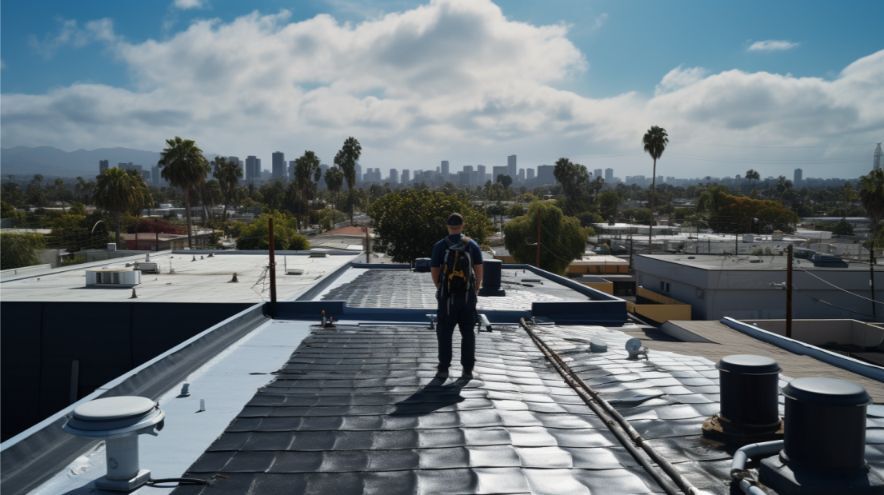
Roof inspections involve working at heights, and safety should be a top priority. Ensure that the roof inspector complies with all relevant safety regulations and standards. This includes having the necessary safety equipment, proper training, and adherence to safety protocols to minimize the risk of accidents or injuries during the inspection.
Verify that the roof inspector has appropriate insurance coverage, including general liability insurance and worker’s compensation insurance. This protects both you and the inspector in case of any accidents or damages during the inspection. Additionally, inquire about any warranties or guarantees provided by the inspector for their services.
One of the most common findings in roof inspections is aging or weathered roofing materials. Over time, exposure to the elements can cause shingles or other roofing materials to deteriorate. Inspectors will assess the extent of the deterioration and recommend the necessary repairs or replacements to maintain the roof’s integrity.
Improper ventilation is another common issue found during roof inspections. Inadequate ventilation can lead to moisture buildup, which can damage the roof structure and reduce the lifespan of the roofing materials. Inspectors will assess the ventilation system and recommend improvements to ensure proper airflow and prevent moisture-related issues.
Improper installation of roofing materials is a significant issue that can compromise the roof’s performance. Poorly installed shingles or flashing can lead to water leaks and other problems. During a roof inspection, inspectors will identify any installation errors and advise on the necessary repairs or corrections to ensure the roof’s proper functioning.
Flashing and vents are critical components of the roofing system that help prevent water intrusion and maintain proper ventilation. Common inspection findings include damaged or improperly installed flashing and malfunctioning vents. Inspectors will identify any issues and recommend the appropriate repairs or replacements to ensure these components function as intended.
Roof leaks or moisture damage are often discovered during roof inspections. Water infiltration can compromise the structural integrity of the roof and lead to further damage if not addressed promptly. Inspectors will identify the source of the leaks, assess the extent of the damage, and recommend the necessary repairs to prevent further moisture-related issues.
A roof certification is a document issued by a qualified roof inspector that verifies the condition of a roof and provides an estimation of its remaining lifespan. It is often requested during property transactions or insurance applications as proof of the roof’s condition. A roof certification typically includes a detailed inspection report and any recommended repairs or maintenance.
A roof certification is often necessary when buying or selling a property. Lenders, insurance companies, and potential buyers may require a roof certification to ensure that the roof is in good condition and does not pose any significant risks. Additionally, homeowners may choose to obtain a roof certification to provide peace of mind and preserve the value of their property.
Obtaining a roof certification provides several benefits for property owners. It offers assurance to potential buyers or insurers that the roof is in good condition and will continue to perform effectively. A roof certification can also help expedite the property transaction process and potentially increase the market value of the property.
While roof inspections and roof certifications are related, there is a fundamental difference between the two. A roof inspection is a comprehensive evaluation of the roof’s condition, identifying any existing or potential issues. A roof certification, on the other hand, is a formal document that verifies the roof’s condition and provides an estimation of its remaining lifespan.
To obtain a roof certification, property owners should contact a qualified roof inspector with a good reputation and experience. The inspector will conduct a thorough roof inspection, documenting the condition of the roof and any recommended repairs or maintenance. Based on the inspection findings, the inspector will issue the roof certification if the roof meets the required criteria.
DIY roof inspections can be conducted by property owners with adequate experience and safety precautions. However, it is important to prioritize safety. Use proper safety equipment, such as a harness, safety goggles, and sturdy footwear. Ensure the ladder is stable and secure before climbing onto the roof. If you have any concerns about safety or the height of your roof, it is advisable to consult a professional.
When conducting a DIY roof inspection, focus on key areas that are prone to damage or potential issues. Inspect the roof from all angles, looking for any visible signs of damage or wear and tear. Pay attention to the condition of the shingles, flashings, vents, gutters, and any other components. Examine the attic for signs of leaks or moisture damage.
To conduct a DIY roof inspection, you will need some basic tools. These include a ladder for accessing the roof, a flashlight for inspecting dark areas, binoculars to examine the roof from a distance, and a digital camera or smartphone for documenting any findings. Additionally, have a notepad and pen handy to jot down any observations or concerns.
During a DIY roof inspection, look out for signs of potential problems. This includes missing or damaged shingles, cracks, holes, or sagging in the roof structure. Inspect the flashing around chimneys, skylights, and vents for any signs of damage or improper installation. Additionally, check the gutters for debris or blockages that can impede proper water drainage.
While DIY roof inspections can provide valuable insights, there are situations where it is advisable to consult a professional. If you are unsure about your ability to safely access the roof or do not have experience in identifying roofing issues, it is best to leave the inspection to the professionals. Additionally, if you notice any significant signs of damage or have concerns about the roof’s condition, consulting a professional is recommended.
Roof inspections are crucial for identifying potential issues, evaluating the overall condition, and determining the lifespan of the roof. By scheduling inspections after severe weather events, during property transactions, as part of routine maintenance, before starting roofing projects, and when experiencing signs of damage, property owners can proactively address any issues. The inspection process involves visual inspection, assessment of roofing materials, inspection of flashing and vents, examination of gutters and drains, and review of attic insulation and ventilation. Signs of roof damage, such as leaks, missing shingles, rotting or sagging roof deck, mold growth, or visible cracks and holes, should prompt immediate roof inspections. Regular inspections offer early detection of problems, cost-effective maintenance, extended roof lifespan, improved energy efficiency, and enhanced property value. When choosing a professional roof inspector, consider their certifications, experience, reputation, knowledge of local codes, compliance with safety regulations, and insurance coverage. Common inspection findings include aging roofing materials, lack of proper ventilation, improper installation, flashing or vent issues, and roof leaks or moisture damage. Roof inspections can also lead to roof certifications, which verify the condition of the roof and are often required during property transactions. DIY roof inspections can be conducted with proper safety precautions and can help identify potential problems, but consulting a professional is advisable in certain situations. Overall, roof inspections are essential for ensuring the integrity and longevity of your roof, providing peace of mind and protection for your property. Trust reputable professionals, like SKYPRO Roofing, for reliable, top-tier services tailored to meet your specific roofing requirements in Hollywood and beyond.
Get Your Roof Repair Sorted – Residential or Commercial, We’ve Got You Covered!
